Indigenous Events and Resources
How Are You Observing These Important Dates in Your Community?
September 30: Orange Shirt Day/National Day of Remembrance
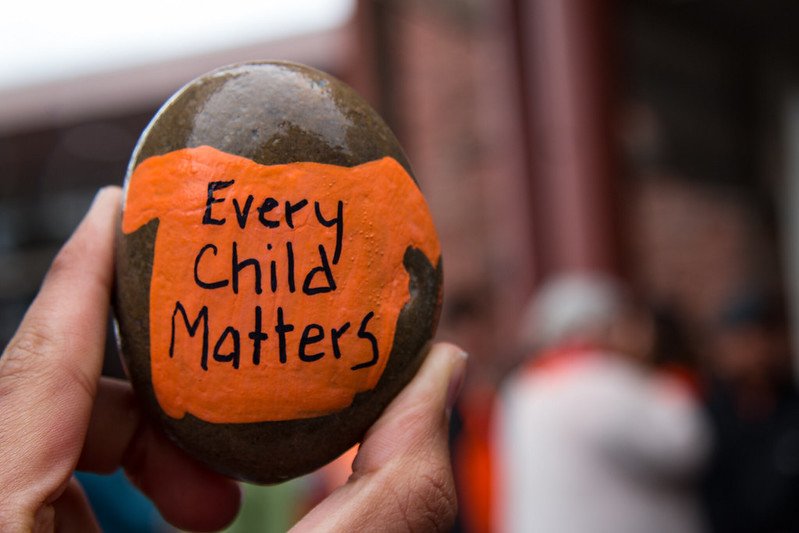
“Orange Shirt Day 2018” by Province of British Columbia, CC BY-NC-ND 2.0
Wear orange on September 30 to remember and honor generations of Native families that carry the wounds of the Indian boarding schools.
A good way to observe this day: contact your senators and congressional representatives and urge them to pass the Truth and Healing Commission on the Indian Boarding School Policies Act (S.761) during the fall session of Congress. The act would establish a commission to investigate, document and report on the histories of Indian boarding schools, develop recommendations for federal efforts based on those findings and promote healing for survivors and descendants. It’s easy to contact your senators and representatives via Friends Committee on National Legislation. Click here.
Read Mary Annette Pember’s memoir, Medicine River: A Story of Survival and the Legacy of Indian Boarding Schools.
Watch the award-winning documentary film Sugarcane in a theater near you.
October 13: Indigenous Peoples Day
Is your city or state among the hundreds that celebrate the Indigenous Peoples Day holiday? How do Native communities near you celebrate it? How are you (and your family, school, workplace, faith community) planning to observe the holiday this year? How can you introduce this holiday to people who may not understand its significance?
Join Us for These Toward Right Relationship Programs

Roots of Injustice, Seeds of Change: Toward Right Relationship with Native Peoples
In this 2-hour participatory program, we experience the history of the colonization of Turtle Island, the land that is now known as the United States. The story is told through the words of Indigenous leaders, European/American leaders, and Western historians. We engage with this history through experiential exercises and small group discussions. And we are invited to consider how we can build relationships with Indigenous peoples based on truth, respect, justice, and our shared humanity. Facilitated by TRR’s Native and non-Native teams. Appropriate for high school students and adults.
The same workshop is offered on each date:
Saturday, October 4th, 4-6 pm ET (3-5pm CT; 2-4pm MT; 1-3pm PT). REGISTER HERE.
Share on Facebook or Instagram.
Sunday, November 16th, 4-6 pm ET (3-5pm CT; 2-4pm MT; 1-3pm PT). REGISTER HERE.
Share on Facebook or Instagram.
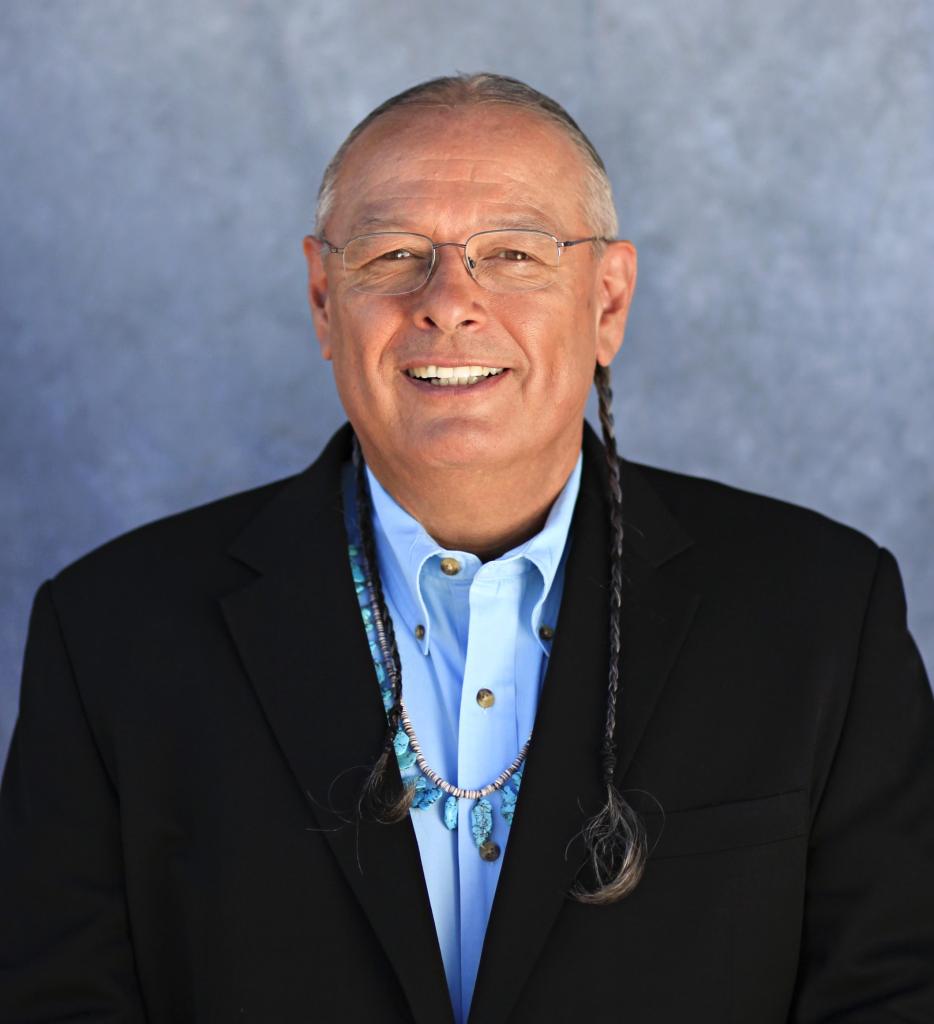
“Whose Land Is It?” A Talk by Rick Williams (Oglala Lakota, Cheyenne)
Did you ever wonder if the land acknowledgement you were making was accurate? With so much misinformation and disinformation about Native Nations, you have to look hard for accurate sources.
In this webinar, you’ll learn about the peoples who lived on land that became the state of Colorado, the treaties they made with the federal government, and how the government violated those treaties in order to remove the tribes, leaving only two tribes with tiny reservations. You’ll learn how settlers have benefited from the theft of Native Land and resources (assessed at trillions of dollars), and how Rick Williams and his organization, People of the Sacred Land, are advocating for reparations.
Mr. Williams is a dynamic speaker. He will talk about issues that affect American Indians today and how he is working to establish a Cultural Embassy in Denver.
Tuesday, October 28th, 8-9:30pm ET (7-8:30pm CT, 6-7:30pm MT, 5-6:30pm PT). REGISTER HERE.
Share on Facebook or Instagram.
“Decolonizing Our Activism: The 7th Fire – How to be a Good Ally” by Sweetwater Nannauck (Tlingit, Haida, Tsimshian)

In this interactive workshop, Sweetwater Nannauck (Tlingit, Haida, Tsimshian) will explain how working with Native Americans toward social and environmental justice involves letting go of and dismantling colonial cycles of oppression. We’ll explore Indigenous resistance that is based on tradition and culture, learn what it means to be a good ally and respectfully attend Native events and actions, and reflect on how to recognize and intervene in ‘Colonial Moments’. Sweetwater offers an understanding of how culture and traditions are healing, build community, and provide a positive expression of reclaiming and expressing Indigenous knowledge, as well as practical ways to support Indigenous-led work and activism in the community.
Sweetwater is the Director of Idle No More Washington. She advocates for the protection of the fragile environment of the Northwest Coast, for tribal sovereignty rights, and the traditional way of life of Native people.
Saturday, November 8, 4-6 pm ET (3-5pm CT; 2-4pm MT; 1-3pm PT). REGISTER HERE.
Share on Facebook or Instagram.
Check Out More Excellent Learning Opportunities
“Mending the Sacred Hoop,” A Talk by Kevin Abourezk
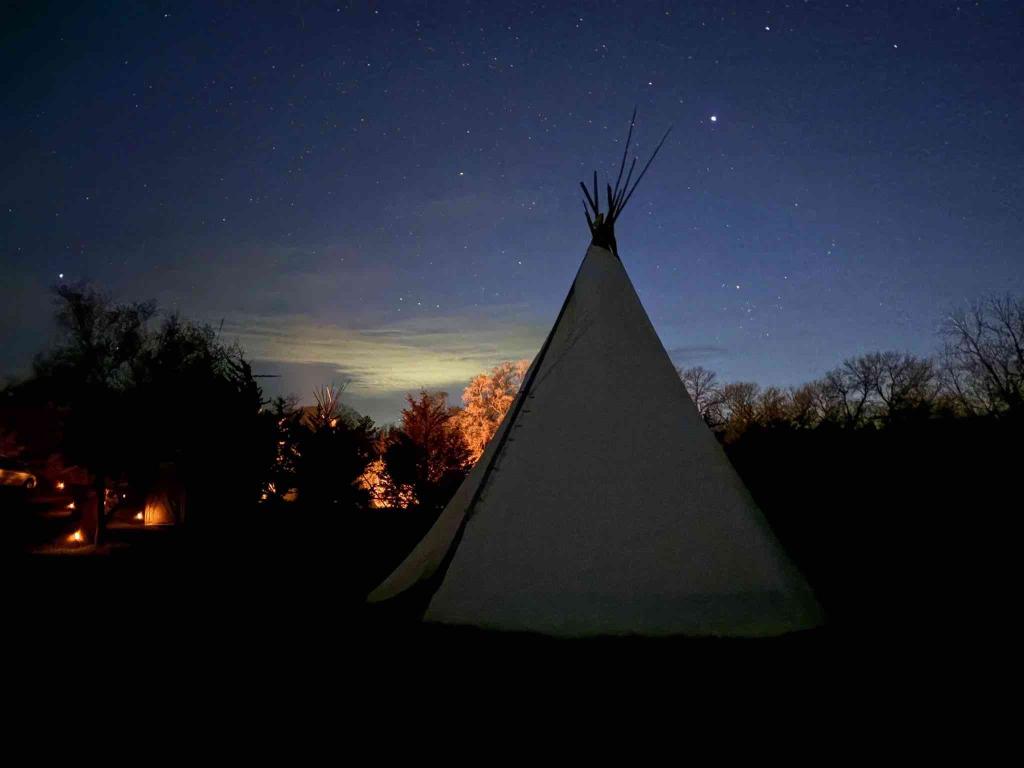
Listen to this recording of a TRR Webinar that was presented by Kevin Abourezk (Sicangu Lakota) on September 3, 2025. Kevin shares his vision of urban Indians reconnecting with the land, their languages, and spirituality.
Learn more about the Niskithe ToNwoN project and prayer camp here.
What Actually Counts as Land Back?
In this article, The Ethical Urbanist asks Native peoples whether stewardship counts as Land Back, or does Land Back only mean deeding land for Indigenous ownership? They explain that the question misses what the land rematriation movement is about in the first place. They share important insights on the differences between Native and non-Native world views.
Common Grounds & Right Relations – a Land Justice Futures Webinar
Wednesday, October 8, 2025 from 12-2PM PT, 1-3PM MT, 2-4PM CT, 3-5PM ET
Speakers: David Barland-Liles, Sarah O’Donnell, and the Native American Rights Fund
Does your community or institution own land that could contain Native burial sites? Might you be in possession of Native artifacts and items of cultural importance? Learn about best practices for the care and potential return of Native burials, remains, and cultural objects—and the important process of meaningful consultation and repair with Tribal Nations. REGISTER HERE.
Renewing Relationships: The Bison, The Land, and the People
Read this New York Times article about the benefits that migratory bison give to Yellowstone National Park’s ecosystem.
A new law in Colorado defines bison as wildlife (formerly defined as livestock). Rick Williams, president of People of the Sacred Land (and our speaker for the October 28 webinar!) explains why this matters to Native people:
The passing of this bill is a historical moment and a monumental change for American Indians and our relatives, the Buffalo. As you read the bill, pay particular attention to the final point.
“This action represents a step toward making amends for the attempted genocide of American Indians through the eradication of their food source, the bison.”
To my knowledge, this is the first time in the history of the Colorado legislature that they have recognized the genocide in the history of the state, and that it is the first step towards “making amends”. Read the text of the bill here.
We hope that this is the beginning of a commitment to restore Buffalo to Colorado. If the state of Colorado and the people of Colorado can reintroduce wolves, it would seem a natural and positive environmental action to reintroduce Buffalo. As late as the 1860s, the southern herd in Colorado was estimated to be as large as five million animals. We must watch very carefully as the numbers increase to prevent them from being treated like cattle and put in livestock pens, fed grain (which ruins the meat and quality of the fat – don’t eat white fat, only yellow fat), and slaughtered unceremoniously. They don’t need a boarding school experience to thrive.
Good News
Dreaming in Arapaho — Reclaiming Language and Culture Through the Outdoors
Locally here in the Boulder Valley, our Right Relationship Boulder group sponsors an Arapaho Language and Culture Camp each summer for Arapaho youth and elders. They come from Oklahoma and Wyoming to the Rocky Mountain home of their ancestors to learn the Arapaho language and the history of their people. Here’s a beautiful article published by one of the donors, Colorado Outdoors.

Photo from the Arapaho Language and Culture Camp by Right Relationship Boulder.