Thanksgiving, Food Security, and the Gift Economy
Join Us for These Upcoming Toward Right Relationship Programs

Roots of Injustice, Seeds of Change: Toward Right Relationship with Native Peoples
Sunday, November 16th, 4-6 pm ET (3-5pm CT; 2-4pm MT; 1-3pm PT). REGISTER HERE.
Share on Facebook or Instagram.
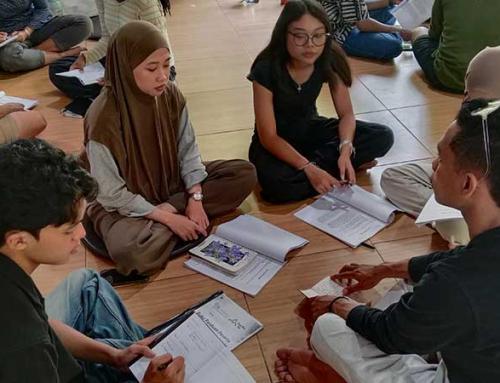
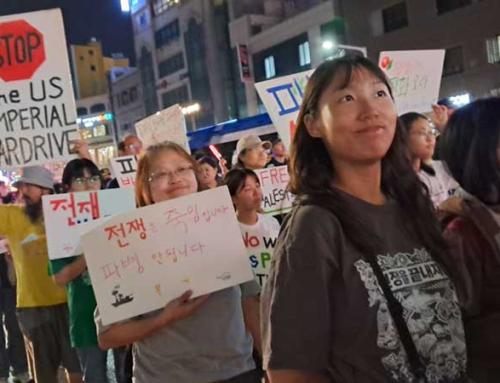
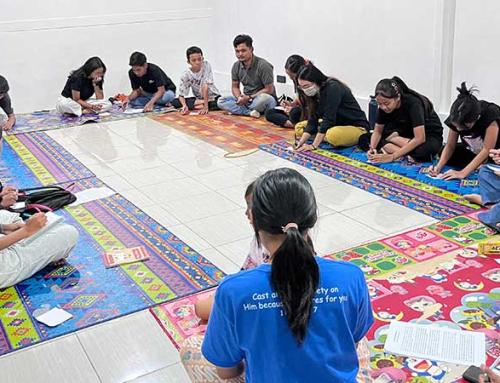
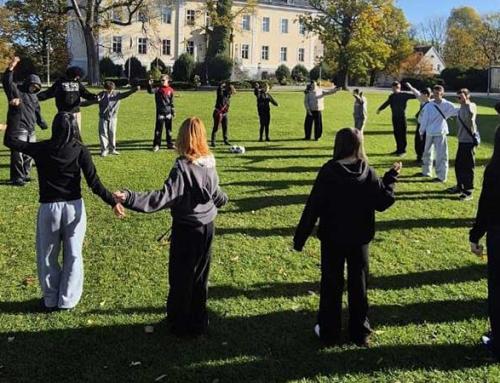
In this 2-hour participatory program, we experience the history of the colonization of Turtle Island, the land that is now known as the United States. The story is told through the words of Indigenous leaders, European/American leaders, and Western historians. We engage with this history through experiential exercises and small group discussions. And we are invited to consider how we can build relationships with Indigenous peoples based on truth, respect, justice, and our shared humanity. Facilitated by TRR’s Native and non-Native teams. Appropriate for high school students and adults.
“Ua Mau Ke Ea O Ka ʻĀina I Ka Pono, the Life of the Land is Perpetuated in Righteousness” by Kumulāʻau and Haunani Sing (Kanaka Maoli)
Thursday, December 4th, 8-9:30pm ET (7-8:30pm CT, 6-7:30pm MT, 5-6:30pm PT). REGISTER HERE.
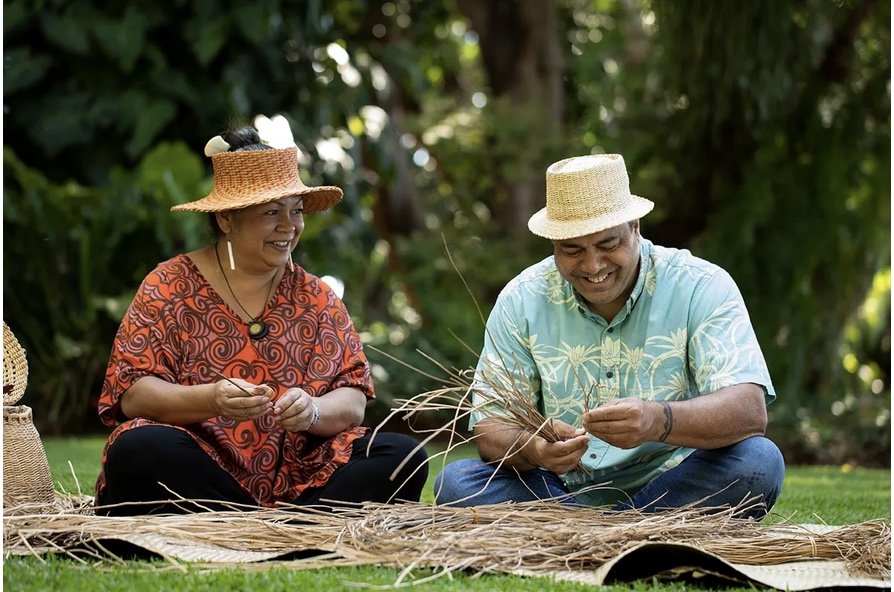
Kumulāʻau and Haunani Sing are kanaka maoli (Native Hawaiian) educators and culture bearers who combined have over 40 years teaching in the community. They will speak about the history and current issues that are important to Native Hawaiians. By reviving a traditional art form, they promote healthy mauli ola (life force) and nourish the emotional, physical, mental, intellectual, social and spiritual well being of the local and global community. Their story demonstrates how art is an integral part of the struggle for Native peoples’ identity and sovereignty.
Approaching Thanksgiving
November is a month when many families will celebrate Thanksgiving. Although our “traditional” Thanksgiving is based on a colonial narrative which continues to perpetuate harm on Indigenous communities, fortunately the holiday offers us an opportunity to have a conversation about the truth of our nation’s history and to re-center Indigenous people and perspectives.
We highly recommend this podcast by “All My Relations” which ‘flips the script’ on Thanksgiving and offers ways we can integrate Indigenous practices and world views in our gratitude. It makes for inspired listening if you are driving or flying to visit friends or family.
You can also show up for the online webinar: Rethinking Thanksgiving: Colonialism is the Problem, Solidarity is the Answer at 4:00pm ET/1:00pm PT on November 23.
One beautiful way we can integrate an Indigenous perspective at our Thanksgiving table this year is by using the Haudnesaunee Thanksgiving address, which honors the natural world and the source of our food. Consider including in your words of gratitude Indigenous people who have generously shared their ancestral seeds and agricultural knowledge for millennia so that we may all thrive.
And if you are a parent, grandparent, or educator, engage with your local school’s curriculum and textbooks to ensure an honest telling of Thanksgiving.


Images from the Bioneers Indigeneity Curriculum, one of the resources from the educational guide linked above for teaching kids about Thanksgiving.
Challenges to Food Security for Native Peoples
November is also Native American Heritage month and yet, in previous weeks, government layoffs and spending cuts remind us of how little the U.S. government values Native peoples.
Last week, the Senate Indian Affairs Committee held a hearing documenting the disproportionate impact the government layoffs and spending freeze are having on Native communities. While the layoff of federal employees has created enormous uncertainty in tribal communities, the government shutdown highlights the continued failure of the United States government to fulfill its legal commitments to Native tribes and nations. A report released on October 28 from the Brookings Institute demonstrates the multiple ways in which the Congressional funding process fails to uphold its treaty obligations and offers clear suggestions for reforming the funding process in order to meet those obligations.
The government shutdown led to a reduction in SNAP benefits, which offers food assistance to our country’s no- and low-income families. Nearly a quarter of American Indian and Alaska Native households use SNAP benefits, leading several Native nations to declare states of emergency in response to the food crisis being caused by the government shutdown.
What Food Sovereignty Means
In the face of food insecurity many Indigenous-led organizations around the country are drawing on their ancestral traditions and knowledge to rebuild food sovereignty in their communities.
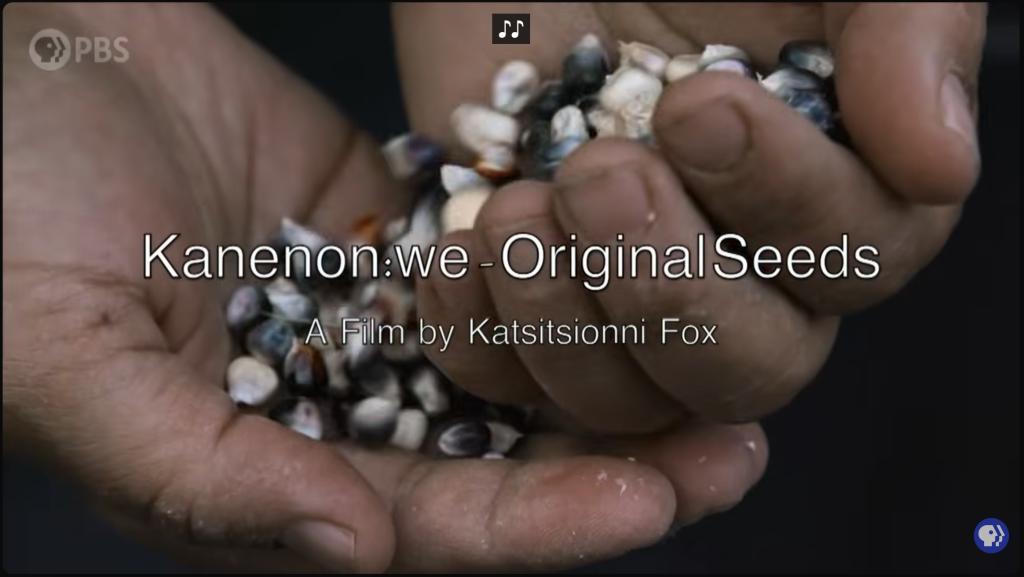
Image is a still from the film.
We recommend “Kanenon:we – Original Seeds,” a documentary which follows the story of seeds through Haudnesaunee stewardship and a contemporary food sovereignty movement led by Haudenosaunee women. Also, keep an eye out for a new documentary which will be released November 24 on PBS called Bring Them Home, a story about Blackfoot tribal members working to return wild bison to their lands.
These films explain how colonization and land theft has led to food insecurity in Indigenous communities, but more importantly how Indigenous knowledge and resistance offer a path forward for all of us out of exploitative economic and political systems and climate instability that leave all people vulnerable.
Where Are You in This Story?
This November, you can do many things to support Native food sovereignty.
Donate
You can share your wealth through Indigenous-led organizations that are building food sovereignty in their communities. Learn about the Native American Food Sovereignty Alliance (NAFSA), GATHER Food Sovereignty Project, Buffalo Nations Food Sovereignty, or Indigenous Food and Agricultural Initiative.
Land Back
This guide by Land for Good offers many ways for your family to return farmland to Indigenous farmers.
Buy from Indigenous farmers and businesses
If you purchase food for your business or institution, consider buying from farming cooperatives that support Native farmers, such as the Growing Justice Fund.
As you contemplate gift-giving in the holiday season, see this list of Indigenous businesses that sell Native foods.
Cultivate Native Plants
If you garden, consider growing Native crops and share your seeds. Join the Indigenous Seed Keepers Network, which offers education on how to save Indigenous seeds and support local seed sharing programs.
Play Your Part in the Gift Economy
As we enter the season of giving, let’s be inspired by Robin Wall Kimmerer’s description of the Gift Economy in her latest book, The Serviceberry (note: a great gift idea for your family and friends!). She explains: “Gratitude and reciprocity are the currency of a gift economy, and they have the remarkable property of multiplying with every exchange, their energy concentrating as they pass from hand to hand, a truly renewable resource.”
Please consider purchasing gifts from Native-owned businesses. Find everything from beaded earrings to traditional moccasins, streetwear to designer dresses, from colorful cosmetics to natural botanicals, from fresh bison who ran the plains of Texas to smoked salmon harvested in the Pacific Northwest – all from Indigenous artists, innovators, and farmers.
Remember these websites (and find Indian markets close to home) all year round as you shop:
Haípazaza Phezúta: Medicine Soaps
Texas Tribal Buffalo Project – fresh buffalo delivered cold here.

Our Thanks to You
We here at Toward Right Relationship with Native Peoples thank you for your continued support of our programs, which seek to center Indigenous perspectives and voices and to tell the truth about the historical and current harms our nation perpetuates against Native peoples. We are grateful to you for the work you are doing in your families, communities, and congregations to disrupt these harms and create more just and sustainable futures.