African Great Lakes
Transformationa Leadership Centre (TLC)
Children’s Peace Libraries of Rwanda
Children’s Peace Libraries of Rwanda
By Francine Muhawenimana
MAY 2023 REPORT
The six Children’s Peace Libraries (CPL) in Rwanda have many different opportunities in their own libraries throughout each month, including reading, learning about the culture of peace, walking meditation, peace clubs and peace debates. In the month of May, 412 children visited the library to read, to borrow books, and to participate in the libraries’ events. There is a CPL in each of these: Kigali, Musanze, Kanzenze, Bigogwe, Burera, and Gicumbi.
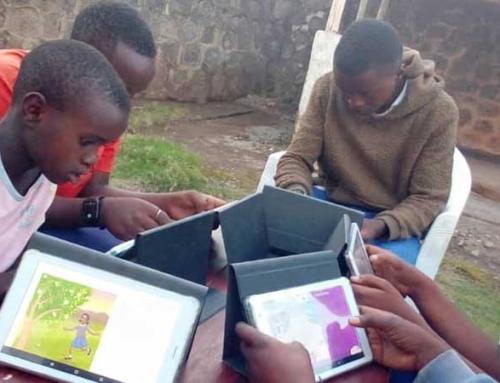
Reading. The children come to the library to read books and then, if they choose to, they can check books out and take them home to read. Most Rwandan children speak Kinyarwanda at home and begin to learn English at school. They get special help with reading in both of these languages in the Children’s Peace Libraries. The Read Aloud program is often used to share a story that helps children both learn characteristics of a peaceful community and also learn some new English words. One of the books used in May for a Read Aloud program was Furaha and her Animals, which led to discussion about teaching our hearts to care for God’s creation and preserve our culture of caring for living things by respecting animals and helping injured ones. Another was Friends, where children learned new English words such as caring and friendship.
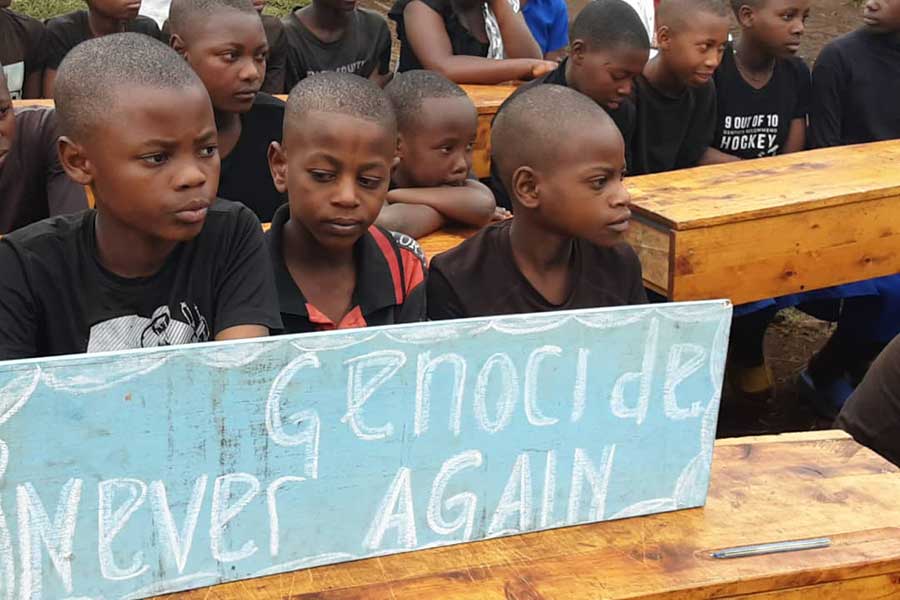
World Labyrinth Day was officially celebrated this year on May 6, or a day in May when everyone could come for walking meditation on peace. At the Kigali Children’s Peace Library (CPL), 60 children learned about bad flooding in Rwanda’s Northern and Western provinces and how the people in those provinces suffered from the floods. Then they walked through the labyrinth at the library to remember the people and pray for them. At Kanzenze CPL and Gicumbi CPL, the children participated in a walk through their labyrinths to remember and honor the victims of the genocide, focused on Never Again Genocide. Members of the Peace Clubs organized their event and introduced it with songs, poems and drama to help children understand the genocide and assure that it be never again. More than 800 people participated in the World Labyrinth Day at Kanzenze and more than 50 at Gicumbi. Local authorities and others attended the CPLs’ World Labyrinth Days and walked with the students through the labyrinth to remember the children of their own age, the parents, and all the victims who died in the genocide against Tutsi.
Peace Clubs and Peace Debates. A peace debate at one CPL involved 38 children age 8-12 years in debating “Is it the responsibility of children or adults to promote peace in their communities?” The two sides finally decided they agreed that both children and adults must promote peace in their communities.
In another Children’s Peace Library, 20 children debated “What is more important, Reading or Writing?” After discussion and sharing their opinions, the students all agreed that both reading and writing are important. They found that they cannot read unless they also writing; and, that writers will be discouraged if there are no readers to read what they write. They also shared these thoughts:
“These discussions helped me to learn from others. When you participate in a debate, you feel like you are not alone and that you have friends.”
“The debate helped us to be confident and to speak in front of others.”
“I learned from others during this debate.”
“This helped me to continue to read and research to have many ideas to share in the discussion. I fought for my group to be a winner.”
“This debate helped me to do research and to be able to respond to the questions that they asked our group.”
“Debates help us to fight against conflict through discussion.”
The Gicumbi Peace Club shared a message about anti-drug use during their community worker day (Umuganda). The Peace Club presented their activities using their talents for songs, dances, drums, and poems to teach their peers and parents about drug use. 84 students (53 girls, 31 boys) and 60 parents participated in this event. Three local authorities were also present.
Testimonies about peace debates and about visiting library, reading and borrowing
“My name is Akariza Ninette, I am 12 years old. First of all I appreciate Kigali Children’s Peace Library, because it helps us to know peace through debate. For me when I was listening to both side discussions, I remembered the workshop of peer mediation, how to solve conflict among peers and the power I gained from the workshop. Now I am witness as a child for being involved in peace activity to continue to increase skills for building peace in future.”
From Irakoze craix d’Amour, “I like the Children’s Peace Library because before using the library, I lost time where my marks were low compared to today. When was in break time I listened to some children talk about the importance of reading books in the library, with much curiosity, I asked them where the library is located. My friends took me to the library! I was happy and I found many good books. Today I use the library because my performance at school increased. My parents encourage me to continue reading books.