Asia West Pacific
Punishment to Compassion: One School’s Journey
By Ram Chandra Paudel
Reply to rammidtown02ATgmailDOTcom to send feeback or questions to the author

A parent lighting a candle, wishing for good harmony and better solidarity among parents.
On a visit to five public schools near Pokhara, I met with head teachers and chairs of School Management Committees, who all shared their deep concerns about student attendance decreasing and dropout rates rising. One painful reason they shared was that schools are unable to treat students and parents with the care they deserve. The schools lack resources, capacity, and community support. Many asked me with hope and worry, “Is there a way out?”
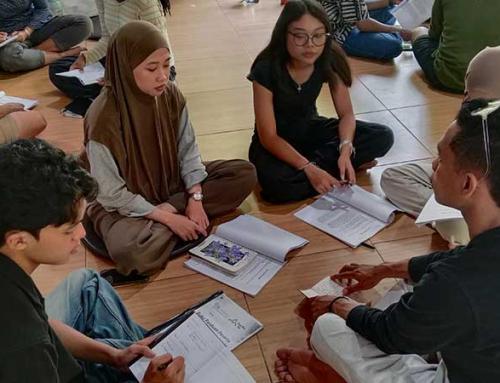
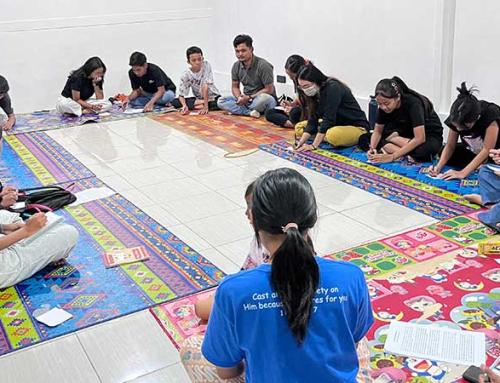
In response, our facilitating team designed a series of small, collaborative workshops bringing teachers, parents, and school management members together. Our first workshop focused on the alternatives to violence that can build community and understanding, and then we searched together for solutions to these issues.
Here are some beautiful and meaningful moments from our work with one community and the Gaurishankar Basic School:
- We welcomed one another with Namaste and flowers that filled the space with respect, warmth, and togetherness.
- A student lit a candle, wishing for a better education and a brighter future for every child.
- A parent lit a candle, wishing for good harmony and better solidarity among parents.
- The head teacher lit a candle, inviting all staff to teach with heart, to empower children to grow into kind and social human beings.
- The School Management Committee Chair lit a candle for unity and made an active commitment to make the school safe and joyful.
- A community member lit a candle for harmony, goodwill, and progress for the entire school family.
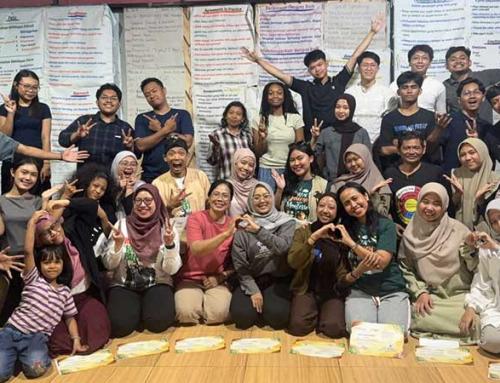
The gentle light from these candles in the room reminded us of our shared responsibility for every child. Both parents and teachers spoke from their hearts. Teachers encouraged parents to care for their children lovingly at home. Parents encouraged teachers to guide all children with patience, kindness, and protection. These honest words touched everyone deeply.
Another powerful message became clear: Children do not learn only from books or in classrooms. Students learn from the home, the community, the local culture, the festivals, and from how each adult speaks, smiles, and acts in their presence.
One story told aloud made the whole room silent: A local teenager was quite talented but made a mistake. He was punished and pushed out of the school. He had no way to express his pain, and years later that pain turned into anger and rage. This reminded all of us how deeply children feel and how harmful rejection can be. It was clear that children need:
1. Love not fears
2. Care not punishments
3. Understanding not rejections
Parents shared that their children sometimes lose interest in studies. This reminded us that often children need our time, presence, and love more than pressures to learn. The participants in one workshop, parents, teachers, and school leaders, sat together like one family. As people listened to each other and felt heard, trust slowly returned. We spent the whole day sharing, listening, learning, and understanding. Our hearts felt lighter. Our minds felt clearer.
This was more than just a meeting for the community. It was a moment of connection, healing, and hope. I learned something deeply personal—my core self is full of love, care, and wholeness. Sometimes fear and anger can block it—but even a small smile or a caring moment can open it again so I can experience true joy.
I warmly invite you to join and support our mission: Stop the violence in schools in Nepal. Together, we can nurture peace, kindness, and hope in every school.
With gratitude and peace, THANK YOU. 🙏

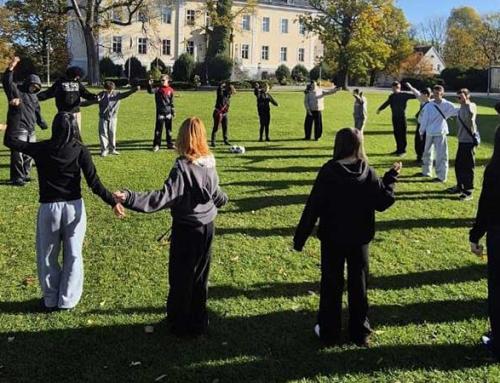
Children are at the centre of the circle. The teachers, school management committee members and parents are there for the children in school.