African Great Lakes
Nurturing a Culture of Reading and Peace: Read-Aloud Capacity Building Workshop for Ugandan Teachers
By Francine MUHAWENIMANA

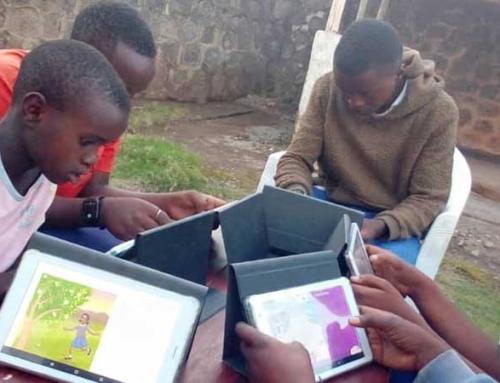
Teacher Milly doing read aloud in Sunday school at Muyomba church in Uganda
The Children’s Peace Library (CPL) of the Transformational Leadership Center (TLC) successfully conducted an online Read-Aloud workshop for teachers in Uganda through two virtual training sessions held on March 28 and April 11. The initiative brought together 18 teachers representing primary schools, nursery schools, and Sunday school programs from different regions of Uganda.
The workshop was designed to strengthen teachers’ capacity to use the Read-Aloud methodology as an effective educational and peacebuilding tool. Through interactive learning, practical assignments, and peer reflection, participants gained knowledge and skills in planning and facilitating engaging Read-Aloud sessions that promote literacy, social-emotional learning, and peacebuilding among children.
The training demonstrated that Read-Aloud is not only a literacy intervention but also a powerful approach for nurturing empathy, cooperation, respect, conflict resolution skills, and positive character development. Participants expressed strong commitment to applying the acquired skills in their schools and communities and requested continued support to expand the reach and impact of the program.
Session One: Introduction to Read-Aloud and Lesson Planning
The sessions were facilitated by Francine Muhawenimana, Coordinator of the Children’s Peace Library in Rwanda, together with Erika and Sally, the L4PJ/Sparkers team. Participants were introduced to:
- The concept and principles of Read-Aloud.
- The educational and developmental benefits of Read-Aloud activities.
- Techniques for engaging children during read-aloud.
- Strategies for connecting stories to children’s lived experiences.
- The role of read-aloud in promoting peacebuilding and social-emotional learning.
A major focus of the session was lesson preparation and planning. Teachers received step-by-step guidance on developing effective Read-Aloud lesson plans.
As a practical assignment, participants were encouraged to conduct Read-Aloud sessions with children in their own schools and communities before the second workshop session.
Several teachers successfully accessed and utilized storybooks available through the TLC Children’s Peace Library website. However, some participants encountered challenges related to access to technology and digital connectivity.
Session Two: Experience Sharing, Reflection, and Peer Learning
The second session provided an opportunity for participants to present their Read-Aloud lesson plans and share experiences from their practical implementation activities. This became a valuable opportunity for learning and reflection, allowing participants to exchange ideas, discuss success stories and positive learner responses, identify challenges encountered during the implementation of read-aloud sessions, Lessons learned, and areas for improvement.
The experience-sharing process created a rich learning environment where participants learned from one another and explored practical solutions to common challenges. The workshop equipped participants with practical skills for planning and facilitating high-quality Read-Aloud sessions, and they expressed increased confidence in applying the methodology in their own settings.
Teachers recognized Read-Aloud as an effective strategy for fostering children’s interest in books and strengthening reading habits. Through guided discussions and reflection activities, they learned how to use stories to help children explore important values such as sharing, cooperation, respect, empathy, peaceful coexistence, harmony, and non-violent conflict resolution.
Participants also discovered how stories can create safe opportunities for children to express emotions, process experiences, and build resilience.
Participants are committed to sharing the knowledge and skills gained with fellow teachers, schools, churches, and community members, creating opportunities for wider program impact beyond the workshop participants.
Participant Testimonials
Milly Mukimba from Kyambogo College School: I learned a lot from this workshop. After the training, I will be able to practice Read-Aloud more effectively with children in Sunday school. I appreciate all the facilitators for giving us this valuable opportunity.
Mbabazi Sylvia from Nyama Friends Primary School, Kiryandongo: I am grateful for the opportunity to learn about Read-Aloud and how to conduct it with children. What I appreciated most was learning how to prepare a lesson plan before reading a story to the children.”
Jovia Nakafero from Alpha Junior School: I appreciate the facilitator who trained us on Read-Aloud. I am grateful to have attended this workshop. I will apply these skills in my school and share them with fellow teachers and community members
Pauline from Auline Infant School, Wakiso: This workshop was wonderful and highly educational. I especially appreciated learning the Read-Aloud process and the wondering questions that help children connect stories to their own lives. I encourage everyone to apply what we have learned.
Samuel from Royal Light Nursery School, Namutumba: I live far from town, where programs like Read-Aloud are rarely available. Many children face challenges and often experience conflict. This workshop showed me how Read-Aloud, peacebuilding, can support children. Using books and the knowledge gained, I will help children in my community develop positive values and life skills that contribute to safer and healthier communities.
Challenges
While the workshop achieved its objectives, participants highlighted several barriers that limit the effective implementation of Read-Aloud activities:
Limited Access to Digital Devices: Some teachers lacked the computers, tablets, or smartphones needed to access online books and educational resources.
Inadequate Internet Connectivity: Several schools and communities experience poor or unreliable internet access.
Lack of Electricity: Some schools operate in areas with limited or no electricity, making digital learning difficult.
Insufficient Learning Resources: Many schools and Sunday school programs lack reading materials, furniture, mats, and basic stationery needed to create child-friendly reading environments.
Support Needs
- Advanced Read-Aloud training workshops
- Training in peacebuilding and trauma-informed educational
- Printed Read-Aloud storybooks
- Peace education materials
- Computers and tablets
- Projectors and audio-visual equipment
- Improved access to electricity and Internet connectivity support
- Child-friendly reading spaces and furniture
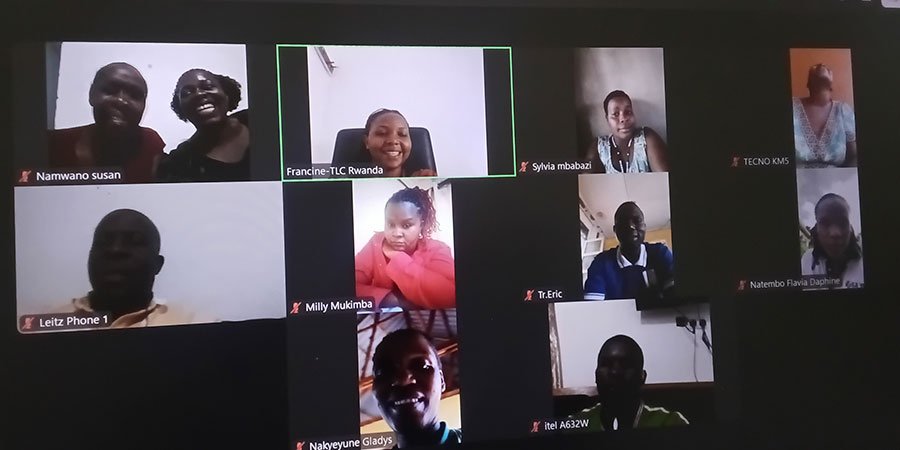
Online Read aloud training with Ugandan Teachers