Asia West Pacific
Creating Cultures of Justice and Peace with the Earth through “The Story of the Lost Trees”
By Ratih Puspito Rini
Reply to peaceDOTlibrariesATfriendspeaceteamsDOTorg to send feeback or questions to the author

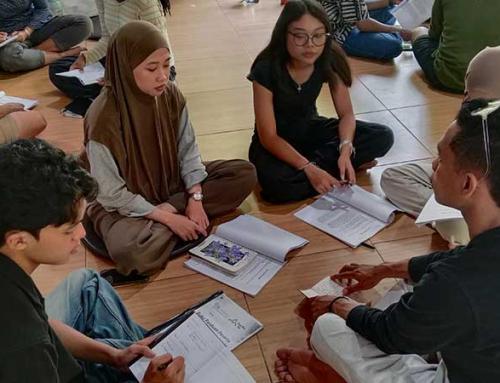
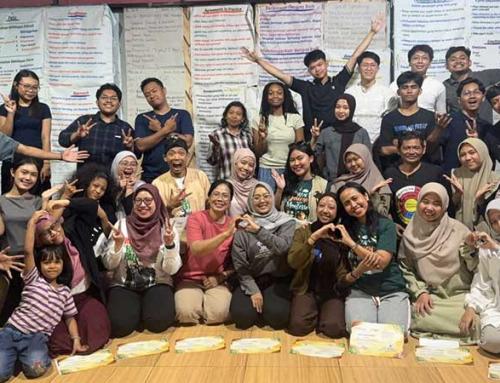
Participants shared their thoughts on who benefits from trees. Then they draw together about their thoughts.
In November 2025, flash floods hit three Indonesian provinces on the island of Sumatra—Aceh, West Sumatra, and North Sumatra. Heavy rainfall accompanied by extreme weather conditions caused widespread damage to homes, infrastructure, and livelihoods.
A tropical cyclone system brought intense rainfall and strong winds across large parts of Sumatra. This disaster raises broader questions about environmental conditions that may have worsened its impact.
Environmental experts and community advocates point out that human-driven environmental degradation such as deforestation, mining activities, and forest conversion can greatly increase the risk of disaster from flash floods by reducing the land’s ability to absorb heavy rainfall and disrupting the balance between humans and nature. The effects of extreme weather are thus amplified, leaving communities, including those in Aceh Tamiang, increasingly vulnerable to catastrophic flooding.
In response to these concerns, Bocah Becik Community Library in Surakarta realized the importance of building environmental awareness from an early age. Bocah Becik believes that literacy goes beyond basic reading and writing skills to include the ability to understand facts, process information critically, and develop empathy toward both people and the environment. Children, as the next generation, need age-appropriate ways to engage with environmental issues.
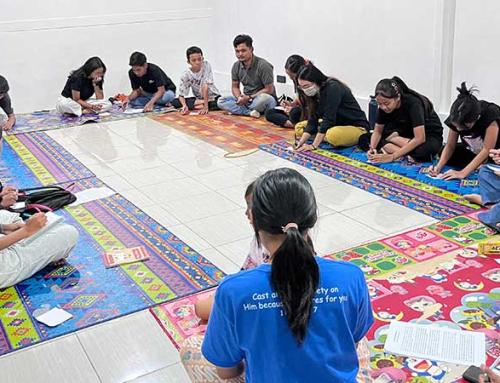
Based on this perspective, Bocah Becik, together with literacy activists from the Soloraya region, organized an activity entitled Environmental Awareness Education Through Storytelling and Play, themed “The Story of the Lost Trees.” The program created a shared learning space for children and families through read-aloud sessions, storytelling, discussions, and simple simulations highlighting the essential role of trees for the earth, wildlife, and human life.
Beyond education, the activity also served as an expression of solidarity with flood-affected communities in Sumatra. Participants were encouraged to contribute voluntary donations, reinforcing the message that environmental awareness, empathy, and collective action can grow together—starting from small, community-based literacy spaces.

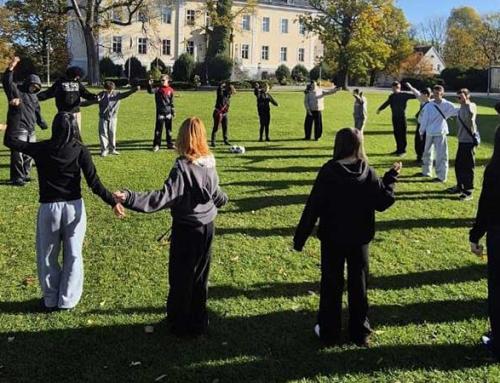
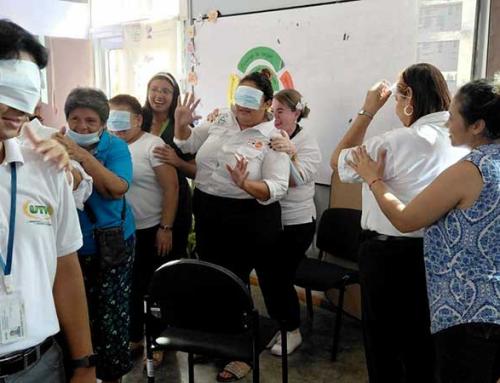
An opening session, participants share their name, where they’re from and “A good time I spent in nature”