African Great Lakes
Children’s Peace Libraries January 2026 news
By CPL Librarians

Read Aloud session at Kanzenze
Across multiple districts in Rwanda, Children’s Peace Libraries continued to grow as centers of reading, peacebuilding, healing, and leadership development for children. Through consistent weekly and monthly programming in locations including Kanzenze, Gicumbi, Burera, Musanze, Kigali, and Bigogwe, the libraries provided safe and welcoming environments where children strengthened literacy skills, developed conflict resolution tools, explored digital learning, and found space to express their experiences and hopes.
Core Activities Across Libraries
Reading Programs (Traditional and Digital):
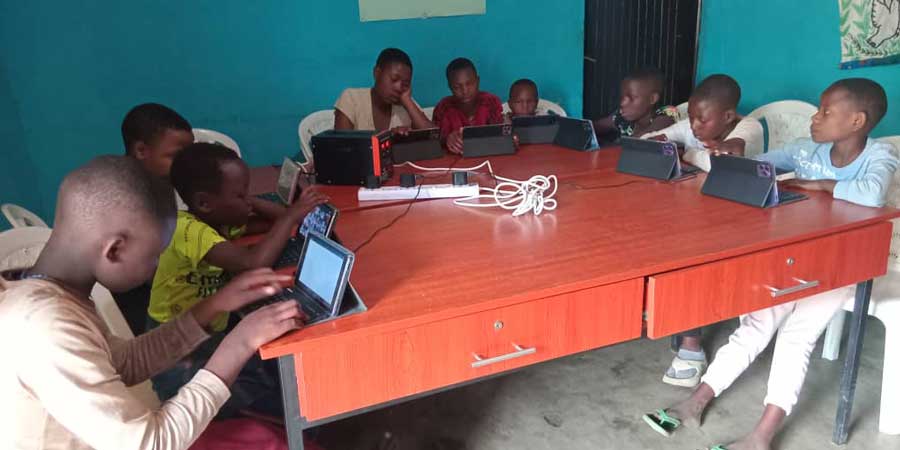
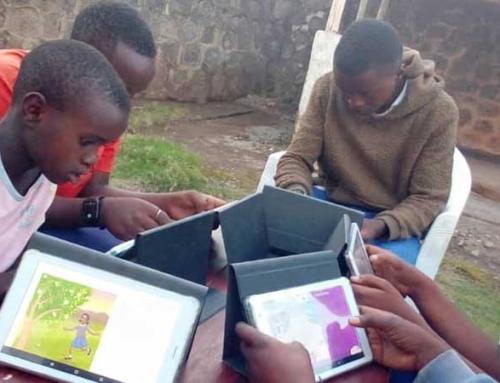
Children engaged in both book-based and digital reading using tablets, TVs, and iPads where available. Activities included silent reading, guided reading, research for school assignments, and vocabulary development. Many children reported improved reading confidence and stronger academic performance. Digital reading sessions were especially impactful for older primary students preparing for national exams and secondary school transition. 382 students (220 girls and 162 boys) were able to participate in reading sessions.
Read Aloud Sessions:
Facilitators regularly led Read Aloud activities using storybooks focused on values, decision-making, cooperation, environmental care, honesty, courage, and compassion. Books such as Making a New Forest, A Useful Decision, Chicken and Millipede, and other peace-themed stories helped children connect literacy with character development. These sessions often included discussion and reflection, allowing children to connect story lessons to real-life situations at home and school. 63 students joined Read Aloud sessions
Peace Clubs:
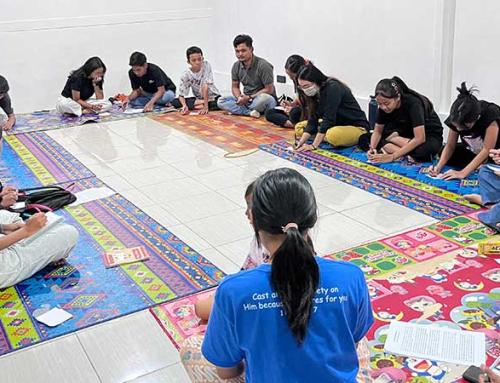
Peace clubs met regularly to discuss conflict resolution, peer mediation, children’s rights, discipline, communication, and respect. Children practiced dialogue skills, emotional expression, and mediation techniques. Several libraries reported that peace club members actively helped reduce conflicts in their schools and homes after participating in training and discussions. In this month, the total number of Peace Club members in all 6 of the libraries who were able to meet was 84 (53 girls and 31 boys).
Peace Debates:
Debates are a signature activity across several libraries. Children debated questions including:
● Can children carry the message of peace around the world?
● Are adults the only ones who should teach peace?
● Who should be responsible for spreading peace — elders or youth?
These debates built public speaking skills, confidence, listening, and respectful disagreement. For this period, 16 students (7 boys, 11 girls) participated in the debate discussion.
Peer Mediation Follow-up:
Libraries followed up with children who had attended peer mediation workshops. Some sites created committees and leadership groups to expand peer mediation practices and connect trained children with new participants. Reports noted behavior change, reduced bullying, and improved peer relationships.
Stories of Change and Impact
Beyond participation numbers, the strongest impact of the Children’s Peace Libraries is reflected in the direct testimonies of participating children and families.
Mpano Niyikiza Regis, a student attending GS Inyange and participating at Gicumbi Children’s Peace Library, described how peace and mediation training changed his behavior and daily life:
“I was tired of following all of the roots of the peace tree; I used to be furious with myself, steal coins at home, bully others, and disrespect my parents, but thanks to the trainings, I’ve changed. Nowadays, I spend my days at the library with friends.”
Another Peace Club participant, Umugwaneza Faustine, shared how she applied what she learned to resolve real conflicts among her peers: “I brought together friends of mine who had been fighting, and they are now friends who visit each other.”
At Musanze Children’s Peace Library, Peace Club discussions created space for healing and renewed hope. One participant, Angelique, shared:
“Last year, my parents divorced and divided our property without considering us as children. My brother and I were forced to choose between our mother and father. I loved my mother, but because she could not afford school fees, I stayed with my father. This brought me great pain, and some of my siblings dropped out of school. Today, I feel relieved and hopeful. I have learned my rights and I am determined to work hard so that one day I can restore happiness to my mother and siblings.”
Debates helped children develop confidence and a sense of responsibility for peace. After participating in a peace debate, Clarisse explained:
“I learned that I am not useless in this world despite the challenges and those who say children should remain silent. I will stand firm and spread peace wherever I am, at school, at home, in the library, or at church. The world needs our energy and strength. Peace is not an individual action; it requires collective effort.”
Digital learning access also made a strong academic difference. A Primary Six student, Fabrice, reported:
“I am happy to access the internet and use an iPad for my research. I am in Primary Six, and this helps me with revision and preparation for my national exams. As I prepare to join secondary school, I am excited to use digital tools and gain basic technology skills.”
A parent named NSENGIYAREMYE Jean Damascene expressed his gratitude to the library for providing books to their children:
He said that when they were in school, they did not have access to such books. Therefore, they are happy that their children now have the opportunity to gain knowledge that they themselves did not have. He also said he has seen improvement in his child’s academic performance because of reading English books borrowed from the library.
Skills and Values Developed
Across all sites, reports consistently highlighted growth in:
● Reading and comprehension skills
● Public speaking and debate confidence
● Conflict resolution and mediation skills
● Respectful communication
● Decision-making ability
● Digital literacy and research skills
● Environmental awareness
● Cooperation and teamwork
● Emotional expression and self-confidence
Ongoing Needs and Challenges
● Additional shelves, tablets, and seating
● Projectors and TV screens for group digital learning
● Cameras for documentation
● Additional peer mediation and peace club materials.
Children participating in a Peace debate