African Great Lakes
Building Peaceful Communities Through Reading, Dialogue, and Child Empowerment
By Francine Muhawenimana

The children at Nonko have a strong thirst for reading
During March 2026, the Transformational Leadership Center (TLC) continued to strengthen children’s literacy, peacebuilding skills, and psychosocial development through its Children’s Peace Libraries across Rwanda. Through reading programs, peace clubs, peer mediation training, and interactive learning activities, children gained confidence, improved communication skills, and learned practical ways to resolve conflicts peacefully.
This month’s activities demonstrated how safe learning spaces can transform children, families, and communities by promoting a culture of peace, cooperation, and lifelong learning.
Voices of Transformation
“Reading changed my confidence and my future”
IGIHOZO Alia, 11 years old Kirerema Primary School
“Before attending Kanzenze Children’s Peace Library, I was not interested in reading, but now I read more often because I find it enjoyable and educational. Reading in groups helped me understand stories better and share ideas with others. What was new and exciting for me is that I was able to read a story and explain it to my fellow students. This boosted my confidence and made me feel capable of speaking in front of others. I also learned how important reading is in our daily lives. I now enjoy reading because it helps me learn new words and develop a love for books.” Alia’s testimony reflects the growing impact of TLC’s literacy and confidence-building approach. Through interactive reading sessions, children are not only improving academically but are also developing leadership and communication skills that strengthen their self-esteem and participation in school and community life.
“Peace starts within ourselves”
BYUKUSENGE Arsene, 11 years old
“After reading different stories, I became able to express my ideas confidently. During the peace debate session, I participated in the topic: ‘Does reading books about peace help children change their behavior?’
What I liked most was listening to both sides of the argument and respecting different opinions even when we disagreed. I believe that reading books about peace helps us change our behavior and teaches us that peace starts within ourselves. I have started avoiding conflicts and communicating better with my classmates.”
Arsene’s experience demonstrates how peace-centered reading and dialogue activities help children develop empathy, critical thinking, and nonviolent communication skills that positively influence their daily relationships.
“My child now resolves conflicts peacefully”
BYUKUSENGE Eric, Parent
“I have seen a major change in my child after attending the Peer Mediation workshop. Before, my child would get angry quickly and often had conflicts with other children. After attending the workshop, he became calm, listens to others, and tries to resolve problems peacefully.
He even practices dialogue at home when conflicts arise. This makes me very happy because it shows that he gained valuable life skills.
The training helped him develop cooperation and respect for others. He is now more willing to help peers when they face problems. I truly appreciate this important step in shaping him into a responsible child with good values.”
Parents continue to report positive behavioral and emotional changes among children participating in TLC activities, showing the long-term value of peace education and social-emotional learning.
“This library has opened children’s minds”
Ugiriwabo Jean de Dieu, Parent from Musove Children’s Peace Library
“We thank God for having this library in our area, where there was no library before. It has been a great opportunity because it was difficult to find a place where our children could go to read.
What I have realized is that many children have opened their minds. At first, children did not understand the importance of reading, but now they enjoy reading and their school performance has improved.
We thank TLC for providing books, shelves, chairs, tables, and librarians. We still need more books for all reading levels and additional peace programs for children.
As parents, we feel safe when our children are here because we know they are in good hands. Children are also learning peace values and borrowing books to continue reading at home.”
The establishment of the new Musove Children’s Peace Library is already creating meaningful educational and social impact within the community by increasing access to safe learning spaces and encouraging a culture of reading and peacebuilding.

Faciliator Albert introduce the meaning of conflict by showing the picture to the children
Key Program Highlights – March 2026
Read Aloud Sessions
More than 84 children participated in interactive Read Aloud sessions using storybooks designed for upper primary learners. Featured stories included The Moon and the Cap, Watch Out, The Lazy Spider, The Monkey and the Drought, and Monkey and Hyena.
Through guided discussions and storytelling, children explored important themes such as:
- Creativity and imagination
- Sharing and cooperation
- Problem-solving skills
- Respect for others
- Self-confidence and identity
These sessions also strengthened listening, comprehension, and public speaking skills while encouraging children to actively engage with literature.
Peace Club Activities
Peace Clubs continued to provide safe and supportive environments where children could practice peacebuilding values through games, discussions, teamwork, and creative expression.
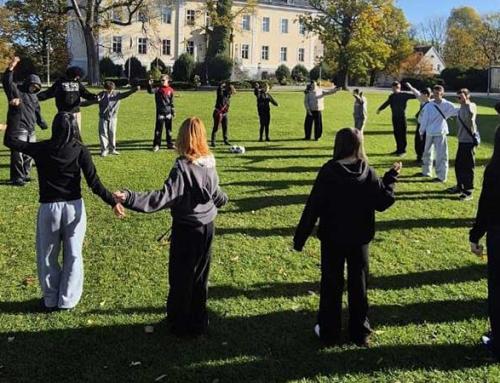
This month, eight Peace Clubs met across the libraries. One of the most impactful activities was a collaborative game called “The Chain of Friendship,” which helped children learn the importance of friendship, unity, mutual respect, and inclusion.
The clubs continue to foster social cohesion among children from different backgrounds while promoting emotional well-being and positive peer relationships.
Peace Debates
Peace debates provided children with opportunities to strengthen critical thinking, leadership, and public speaking abilities.
Discussion topics included:
- Sharing is important for building friendships.
- Does reading books about peace help children change behavior?
- Is teaching children peace better than establishing police to protect children?
These debates encouraged children to express their opinions respectfully, listen actively to others, and appreciate diverse perspectives skills that are essential for peaceful communities.
Peer Mediation Training
A total of 48 children participated in Peer Mediation workshops at Kanzenze and Burera Children’s Peace Libraries.
The training equipped children with practical conflict-resolution skills through participatory exercises and role-playing activities. Participants learned how to:
- Identify causes of conflict
- Communicate effectively and respectfully
- Listen actively to others
- Work toward peaceful and mutually beneficial solutions
The workshops empowered children to become peace ambassadors within their schools, families, and communities.
Reading Programs (Books & Digital Reading)
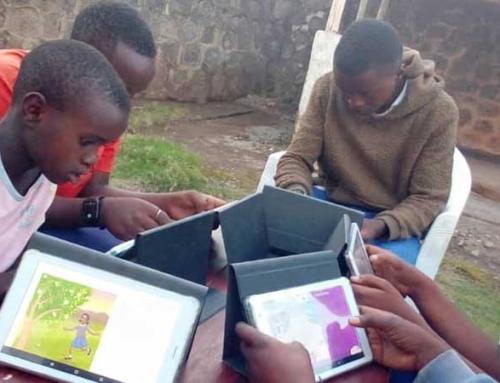
Reading activities remained among the most highly attended and impactful programs across all libraries. More than 240 children engaged in both storybook reading and academic reading activities during March 2026. Group reading sessions were especially appreciated because they encouraged collaboration, confidence, and peer learning.
Children demonstrated increased enthusiasm for books, improved reading habits, and greater engagement in educational activities both inside and outside the library environment.
Overall Impact
Through the Children’s Peace Libraries, TLC continues to create safe spaces where children can:
- Develop literacy and communication skills
- Learn peaceful conflict resolution
- Build confidence and leadership abilities
- Strengthen empathy and respect for others
- Improve academic engagement and social behavior
The testimonies from children and parents demonstrate that these libraries are becoming transformative community hubs that nurture peace, learning, and positive childhood development.
Ongoing Needs and Opportunities
While significant progress has been achieved, communities continue to express the need for:
- Additional books for different reading levels
- Expanded digital learning resources
- More peacebuilding and psychosocial support programs
- Increased library furniture and learning materials
- Continued support for librarians and facilitators
With continued partnership and support, TLC aims to expand the reach and long-term sustainability of the Children’s Peace Libraries program to serve even more vulnerable children and communities across Rwanda.
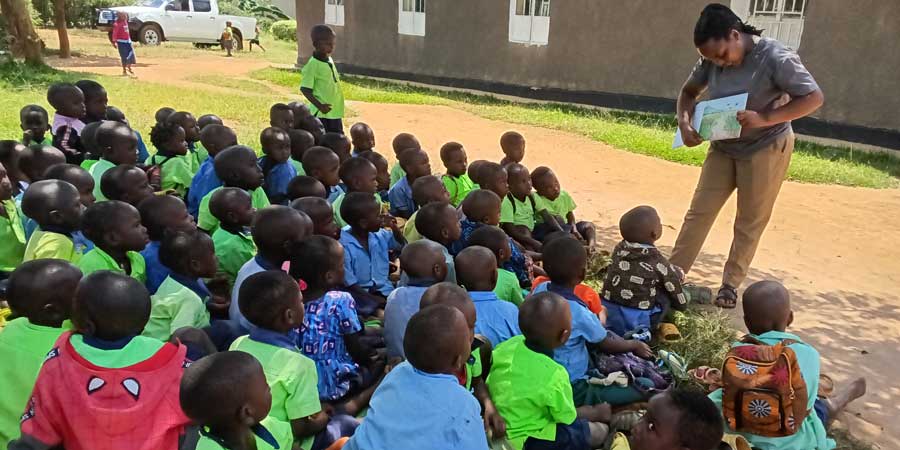
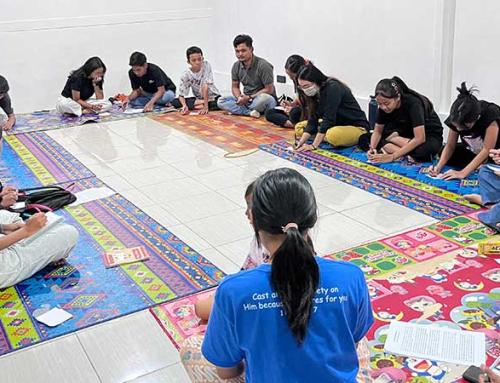
Storytelling at Musove children’s Peace Library